Overview
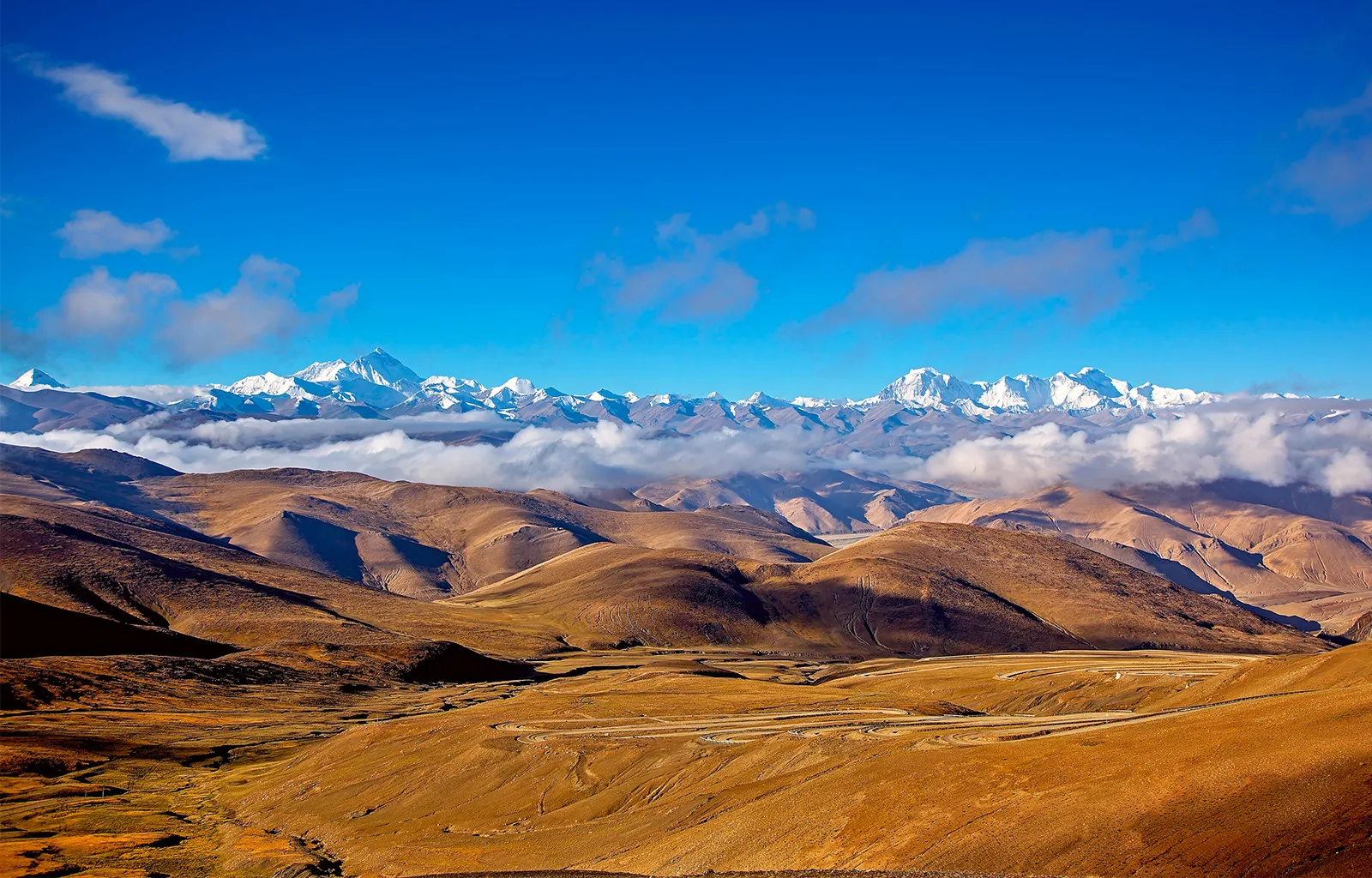
The Tibetan Plateau, often called the "Roof of the World," is one of the most unique and spiritually significant regions on Earth. At an average elevation of over 4,500 meters, Tibet offers breathtaking landscapes, profound spiritual experiences, and a culture that has remained remarkably intact despite modernization.
Top Attractions
- Potala Palace: The iconic symbol of Tibet, a UNESCO World Heritage site and former residence of the Dalai Lama. This 13-story palace contains over 1,000 rooms and houses countless Buddhist artifacts and treasures.
- Jokhang Temple: The most sacred temple in Tibet, located in the heart of Lhasa. Built in the 7th century, it's the spiritual heart of Tibetan Buddhism and a major pilgrimage destination.
- Namtso Lake: One of Tibet's three holy lakes, known for its stunning turquoise waters and surrounding snow-capped peaks. At 4,718 meters above sea level, it's one of the highest saltwater lakes in the world.
- Mount Everest Base Camp: Experience the world's highest peak from the Tibetan side. The north face route offers spectacular views and a less crowded experience than the Nepalese side.
- Yamdrok Lake: Another sacred lake with incredible mountain views. The turquoise waters against the backdrop of snow-capped mountains create a truly magical scene.
- Barkhor Street: The ancient circular street surrounding Jokhang Temple, filled with pilgrims, shops, and traditional Tibetan architecture.
Important Considerations
Altitude Sickness
Proper acclimatization is essential when visiting Tibet. Plan for gradual altitude gain and allow time for your body to adjust. Symptoms can include headaches, nausea, dizziness, and shortness of breath. We recommend spending at least 2-3 days in Lhasa (3,650m) before traveling to higher elevations.
- Stay hydrated and avoid alcohol
- Take it easy for the first few days
- Consider altitude sickness medication (consult your doctor)
- Eat light meals and avoid overexertion
Permits & Documentation
Foreign travelers need a Tibet Travel Permit (TTP), which must be arranged through a licensed travel agency. We can assist with all necessary documentation, including:
- Tibet Travel Permit (TTP)
- Alien Travel Permit (ATP) for restricted areas
- Military Permit for border areas
- Chinese visa (required before obtaining TTP)
Note: Independent travel is not permitted in Tibet. All foreign visitors must travel with a licensed guide and driver.
Weather & Best Time to Visit
The best time to visit is May through October when temperatures are warmer and most areas are accessible. Winters are extremely cold, and many areas may be inaccessible due to snow.
- May-June: Spring weather, blooming flowers, fewer crowds
- July-August: Warmest months, but also peak tourist season and rainy season
- September-October: Clear skies, comfortable temperatures, ideal for photography
- November-April: Very cold, many areas inaccessible, but fewer tourists
Cultural Etiquette
Respect for local customs is essential when visiting Tibet. The following guidelines will help you show proper respect:
- Circumambulation: Always walk clockwise around temples, stupas, and religious sites. This is a sign of respect for Buddhist traditions.
- Temple Etiquette: Remove hats and shoes when entering temples. Do not point at religious images or statues with your finger.
- Photography: Photography restrictions apply in many monasteries. Always ask permission before taking photos, and never photograph monks or pilgrims without consent.
- Dress Code: Dress modestly when visiting religious sites. Avoid revealing clothing and remove hats.
- Donations: It's customary to make small donations at temples. Have small bills ready (1-10 yuan notes).
- Respect for Prayer Flags: Never step on or damage prayer flags. They are considered sacred.
What to Pack
- Warm Clothing: Even in summer, temperatures can drop significantly, especially at night. Pack layers including thermal underwear, fleece, and a down jacket.
- Sun Protection: The high altitude means intense UV radiation. Bring sunscreen (SPF 50+), sunglasses, and a wide-brimmed hat.
- Comfortable Footwear: Sturdy walking shoes or hiking boots for exploring monasteries and natural sites.
- Medications: Altitude sickness medication, pain relievers, and any personal medications. Bring a first-aid kit.
- Moisturizer & Lip Balm: The dry, high-altitude air can cause skin and lip dryness.
- Camera Equipment: Extra batteries (they drain faster at altitude) and memory cards for capturing the stunning scenery.
Ready to Experience Tibet?
Let our expert travel designers create a customized journey that respects local customs while providing profound spiritual and cultural experiences.
Plan Your Tibet Journey