Overview
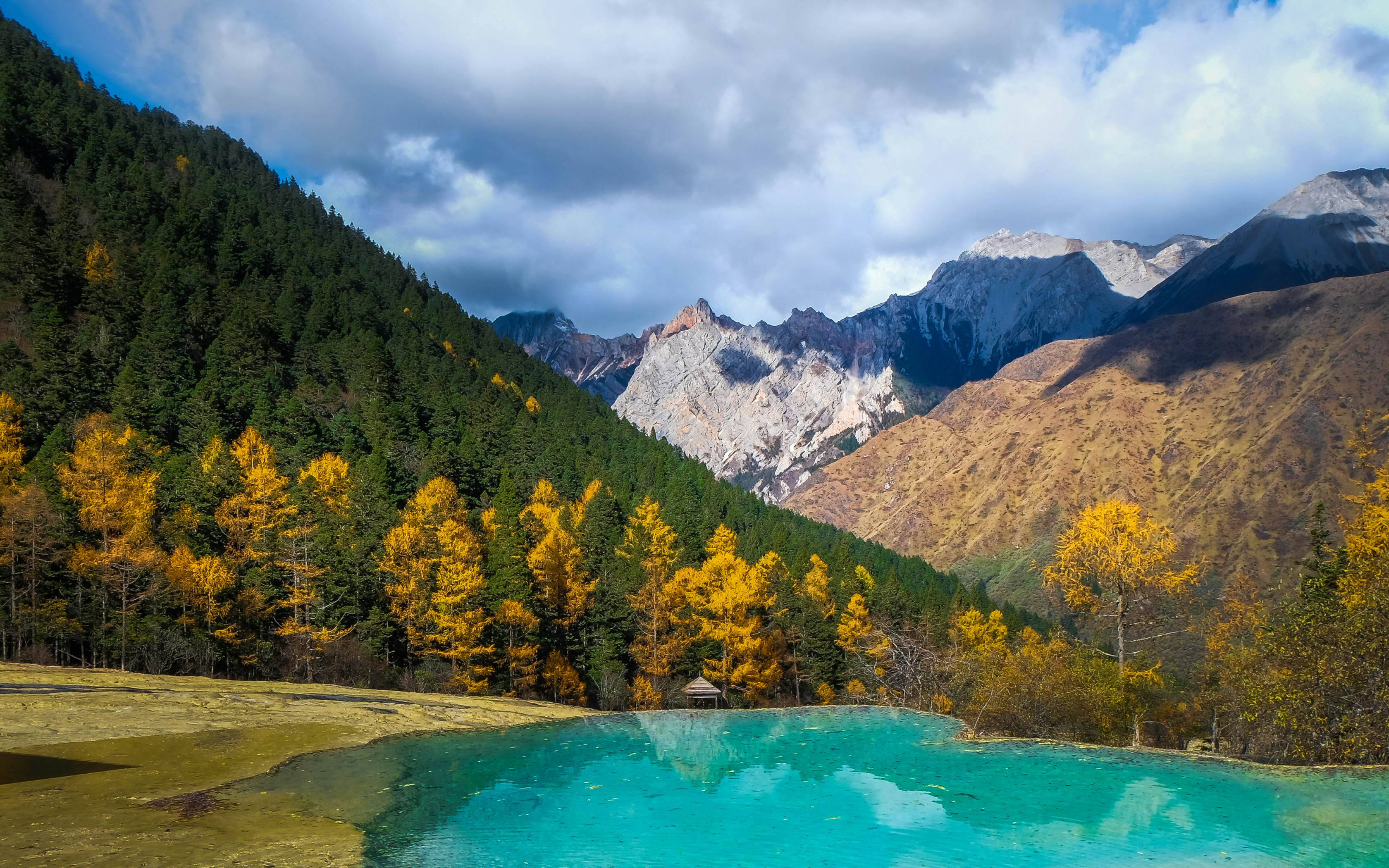
Sichuan is a province of contrasts, famous for its fiery cuisine, adorable giant pandas, stunning natural scenery, and rich cultural heritage. From the bustling city of Chengdu to the pristine beauty of Jiuzhaigou Valley, Sichuan offers a diverse range of experiences. The province is also known for its ancient Buddhist sites, traditional teahouse culture, and vibrant local life.
Top Attractions
- Chengdu Research Base of Giant Panda Breeding: The best place in the world to see giant pandas up close in a naturalistic environment.
- Jiuzhaigou Valley: A UNESCO World Heritage site with stunning turquoise lakes, waterfalls, and snow-capped peaks.
- Leshan Giant Buddha: The world's largest stone Buddha statue, carved into a cliff face over 1,200 years ago.
- Mount Emei: One of China's four sacred Buddhist mountains, with ancient temples and stunning views.
- Dujiangyan Irrigation System: An ancient irrigation system over 2,000 years old, still in use today.
- Jinli Ancient Street: A restored ancient street in Chengdu showcasing traditional architecture and local snacks.
Best Time to Visit
The best time to visit Sichuan is from March to June and September to November. Spring (March-May) offers pleasant weather and blooming flowers. Early summer (June) is warm but not yet too hot. Autumn (September-November) provides clear skies, comfortable temperatures, and stunning fall colors. Summer can be hot and humid, while winter is mild but can be foggy.
Seasonal Highlights
- Spring (March-May): Best for flower viewing, especially azaleas and camellias. Perfect weather for outdoor activities.
- Summer (June-August): Rainy season in most areas, but ideal for visiting high-altitude regions like Shangri-La. Lush green landscapes.
- Autumn (September-November): Clear skies, comfortable temperatures, and stunning fall colors. Best time for photography.
- Winter (December-February): Mild in most areas, but cold in the north. Great for visiting hot springs and enjoying fewer crowds.
Local Cuisine
Yunnan cuisine is known for its diversity, reflecting the province's many ethnic groups. The food is generally less spicy than Sichuan cuisine but equally flavorful.
- Sichuan Hot Pot (火锅): A spicy, numbing hot pot experience that's a must-try in Sichuan.
- Mapo Tofu (麻婆豆腐): Spicy, numbing tofu dish that's one of Sichuan's most famous exports.
- Kung Pao Chicken (宫保鸡丁): A classic Sichuan dish with peanuts, chili, and Sichuan peppercorns.
- Twice-Cooked Pork (回锅肉): A traditional Sichuan dish featuring pork belly cooked twice for rich flavor.
- Dan Dan Noodles (担担面): Spicy noodles with minced pork and Sichuan peppercorns.
- Teahouse Culture: Experience traditional Sichuan teahouse culture in Chengdu, where locals gather to drink tea and play mahjong.
Cultural Experiences
Yunnan's ethnic diversity offers rich cultural experiences. The province is home to 25 of China's 56 recognized ethnic groups, each with unique traditions, festivals, and customs.
Traditional Villages
Visit traditional villages to see local crafts, including Naxi silverwork in Lijiang, Bai tie-dye in Dali, and Miao embroidery in various regions.
Ethnic Festivals
Attend colorful festivals like the Water-Splashing Festival (Dai), Torch Festival (Yi), and Third Month Fair (Bai) to experience vibrant traditions.
Tea Culture
Learn about tea culture at plantations in Xishuangbanna and Pu'er, where you can participate in tea ceremonies and learn about tea processing.
Music & Dance
Experience traditional music and dance performances, including Naxi ancient music (a UNESCO Intangible Cultural Heritage) and Dai peacock dance.
Practical Information
Getting There
Yunnan is well-connected by air, with major airports in Kunming (capital), Lijiang, Dali, and Xishuangbanna. High-speed trains connect Kunming to major cities across China.
Getting Around
Within Yunnan, you can travel by high-speed train, long-distance buses, or domestic flights. For remote areas, private transportation is recommended.
Altitude Considerations
Yunnan's elevation varies greatly. Kunming is at 1,900m, Lijiang at 2,400m, and Shangri-La at 3,300m. Allow time for acclimatization when visiting higher elevations.
What to Pack
- Layered clothing for varying temperatures
- Comfortable walking shoes for hiking and exploring
- Sun protection (hat, sunscreen, sunglasses)
- Rain gear for summer months
- Altitude sickness medication if visiting high-elevation areas
Ready to Explore Sichuan?
Let our expert travel designers create a customized journey that showcases Sichuan's pandas, spicy cuisine, and stunning natural scenery.
Plan Your Sichuan Journey