Overview
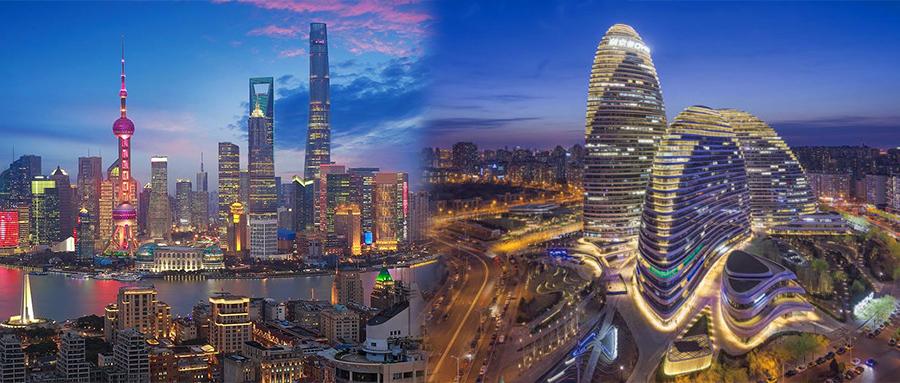
Beijing and Shanghai represent two sides of modern China. Beijing, the capital, offers imperial history and traditional culture, with ancient palaces, temples, and hutongs. Shanghai, China's financial hub, showcases modern China with its futuristic skyline, world-class dining, and vibrant arts scene. Both cities provide perfect gateways to understanding China's past and future.
Top Attractions
- Forbidden City (Beijing): The imperial palace complex that served as home to emperors for nearly 500 years, now a UNESCO World Heritage site.
- The Bund (Shanghai): A historic waterfront area showcasing colonial architecture and modern skyscrapers.
- Great Wall of China (Beijing): One of the world's most iconic landmarks, with several accessible sections near Beijing.
- Yu Garden (Shanghai): A classical Chinese garden dating back to the Ming Dynasty, offering tranquility in the heart of the city.
- Temple of Heaven (Beijing): An imperial complex where emperors performed annual ceremonies, surrounded by a beautiful park.
- Pudong (Shanghai): Modern financial district with iconic skyscrapers including the Shanghai Tower and Oriental Pearl Tower.
Best Time to Visit
The best time to visit both cities is from April to May and September to October. Spring (April-May) offers pleasant weather and blooming flowers. Autumn (September-October) provides clear skies and comfortable temperatures. Summer can be hot and humid, while winter is cold and dry. Beijing experiences more extreme temperatures than Shanghai.
Seasonal Highlights
- Spring (March-May): Best for flower viewing, especially azaleas and camellias. Perfect weather for outdoor activities.
- Summer (June-August): Rainy season in most areas, but ideal for visiting high-altitude regions like Shangri-La. Lush green landscapes.
- Autumn (September-November): Clear skies, comfortable temperatures, and stunning fall colors. Best time for photography.
- Winter (December-February): Mild in most areas, but cold in the north. Great for visiting hot springs and enjoying fewer crowds.
Local Cuisine
Yunnan cuisine is known for its diversity, reflecting the province's many ethnic groups. The food is generally less spicy than Sichuan cuisine but equally flavorful.
- Peking Duck (北京烤鸭): Beijing's most famous dish, featuring crispy duck skin and tender meat served with pancakes.
- Xiaolongbao (小笼包): Shanghai's famous soup dumplings, delicate and flavorful.
- Beijing Zhajiangmian: Noodles with soybean paste, a classic Beijing dish.
- Shanghai Red-Braised Pork: Tender pork belly braised in soy sauce and sugar, a Shanghai specialty.
- Hot Pot: Both cities offer excellent hot pot, with Beijing focusing on mutton and Shanghai on seafood.
- Street Food: Both cities offer incredible street food scenes, from Beijing's hutongs to Shanghai's night markets.
Cultural Experiences
Yunnan's ethnic diversity offers rich cultural experiences. The province is home to 25 of China's 56 recognized ethnic groups, each with unique traditions, festivals, and customs.
Traditional Villages
Visit traditional villages to see local crafts, including Naxi silverwork in Lijiang, Bai tie-dye in Dali, and Miao embroidery in various regions.
Ethnic Festivals
Attend colorful festivals like the Water-Splashing Festival (Dai), Torch Festival (Yi), and Third Month Fair (Bai) to experience vibrant traditions.
Tea Culture
Learn about tea culture at plantations in Xishuangbanna and Pu'er, where you can participate in tea ceremonies and learn about tea processing.
Music & Dance
Experience traditional music and dance performances, including Naxi ancient music (a UNESCO Intangible Cultural Heritage) and Dai peacock dance.
Practical Information
Getting There
Yunnan is well-connected by air, with major airports in Kunming (capital), Lijiang, Dali, and Xishuangbanna. High-speed trains connect Kunming to major cities across China.
Getting Around
Within Yunnan, you can travel by high-speed train, long-distance buses, or domestic flights. For remote areas, private transportation is recommended.
Altitude Considerations
Yunnan's elevation varies greatly. Kunming is at 1,900m, Lijiang at 2,400m, and Shangri-La at 3,300m. Allow time for acclimatization when visiting higher elevations.
What to Pack
- Layered clothing for varying temperatures
- Comfortable walking shoes for hiking and exploring
- Sun protection (hat, sunscreen, sunglasses)
- Rain gear for summer months
- Altitude sickness medication if visiting high-elevation areas
Ready to Explore Beijing & Shanghai?
Let our expert travel designers create a customized urban journey that showcases both the imperial history of Beijing and the modern vibrancy of Shanghai.
Plan Your Urban Journey