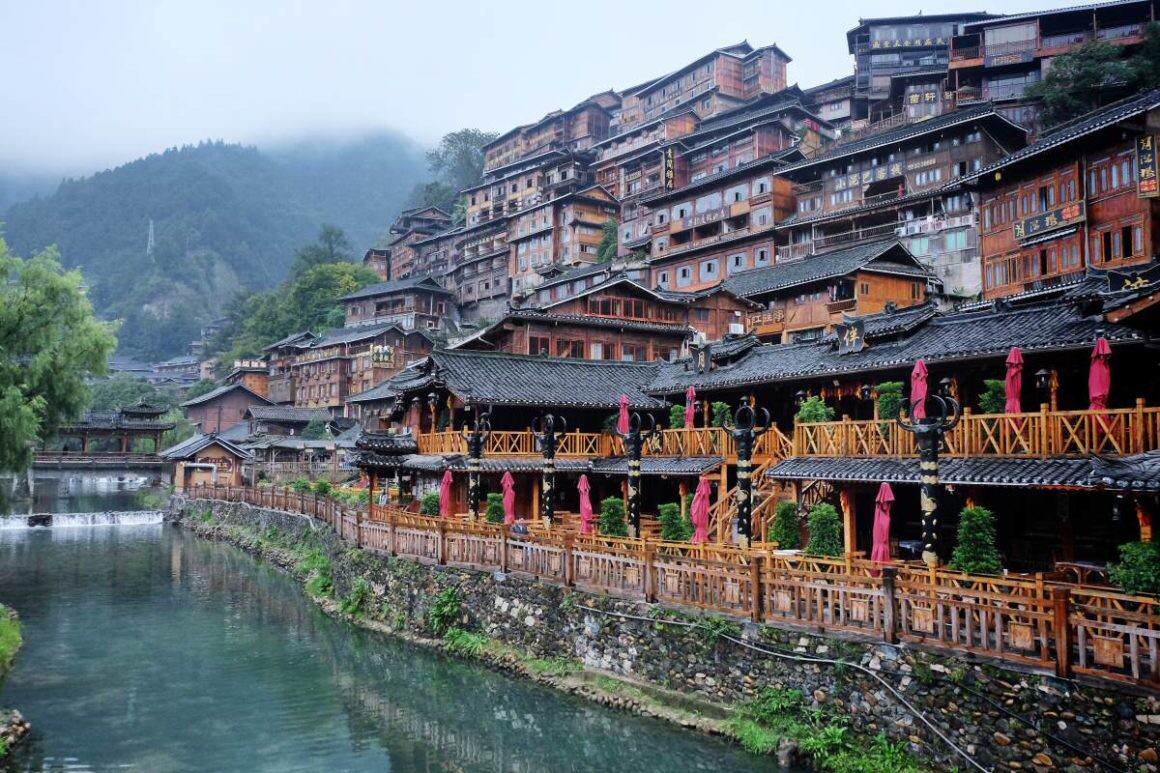
Immerse yourself in the rich ethnic cultures of Guizhou, where Miao and Dong communities maintain centuries-old traditions. From intricate silver jewelry craftsmanship to the mesmerizing polyphonic singing of the Dong people, discover how these communities preserve their heritage in the modern world.
Guizhou Province is home to over 17 ethnic minority groups, each with distinct customs, languages, and artistic traditions. The Miao people, known for their elaborate silver jewelry and intricate embroidery, have maintained their cultural identity through generations of careful preservation and adaptation.
In the remote villages of southeastern Guizhou, we witnessed the Dong people's remarkable polyphonic singing tradition, known as "Dage" or "Big Song." This UNESCO Intangible Cultural Heritage practice involves complex harmonies sung without instrumental accompaniment, creating a soundscape that has remained unchanged for over 2,500 years.
The Miao silver jewelry craftsmanship is another highlight of Guizhou's cultural heritage. Master craftsmen spend months creating elaborate headdresses, necklaces, and bracelets that are worn during festivals and special occasions. Each piece tells a story, with motifs representing nature, mythology, and daily life.
Traditional architecture also plays a crucial role in preserving these cultures. The Dong people's drum towers and wind-rain bridges are architectural marvels built entirely without nails, using traditional joinery techniques passed down through generations. These structures serve as community gathering places and symbols of cultural identity.
Our journey through Guizhou takes you to authentic villages where these traditions are not just preserved for tourists, but are living, breathing parts of daily life. We work directly with local communities to ensure that tourism supports rather than disrupts these precious cultural practices, creating meaningful exchanges between travelers and local people.